


7 Water Damage Documentation Steps for Rental Properties
Last Updated: November 12, 2026
Quick Summary
Water damage documentation for rental properties is the written and photographic record that proves what happened, when it happened, and who should pay. Report the leak in writing the same day, photograph each affected room wide then close with something for scale, and log every date in a reusable incident report. This record is what a landlord, insurer, or deposit scheme will actually look at in a dispute.
Report the leak in writing the same day, even if you have already phoned, and keep a copy.
Shoot one wide photo of each room, then a close-up with a tape measure or coin for scale.
Log four dates: when you reported it, when the landlord acknowledged it, when someone attended, and when the repair finished.
Keep untouched original photo files, because most phones embed date, time, and location metadata that is part of the evidence.
Split evidence into two bundles, since insurers assess cause, scope, and cost while deposit schemes weigh fault against fair wear and tear.
Leak causing damage in a rental?
We repair and replace leaking water supply pipes with minimal disruption, 24/7.
Table of Contents
Why Water Damage Documentation Decides Who Pays
Water damage documentation for rental properties is the written and photographic record that proves what happened, when it happened, and who should pay.
Tenants who photograph everything are far better placed in a dispute than those who rely on a text message.
Here is the uncomfortable truth most guides skip. Memory is worthless in a dispute. A date-stamped photo, a written notice, and a repair log are what a landlord, insurer, or deposit scheme will actually look at.
Step 1: Make the Area Safe and Stop the Water
Safety comes before evidence, every time. Water and electricity are a dangerous mix, so kill the power to affected rooms at the consumer unit before you touch anything wet.
What to check before you switch anything on:
Is water near sockets or the consumer unit? If yes, do not touch the electrics. Call an electrician.
Is the ceiling bulging? Stay out of the room. Waterlogged plasterboard can collapse.
Can you reach the stopcock safely? Turn off the mains supply.
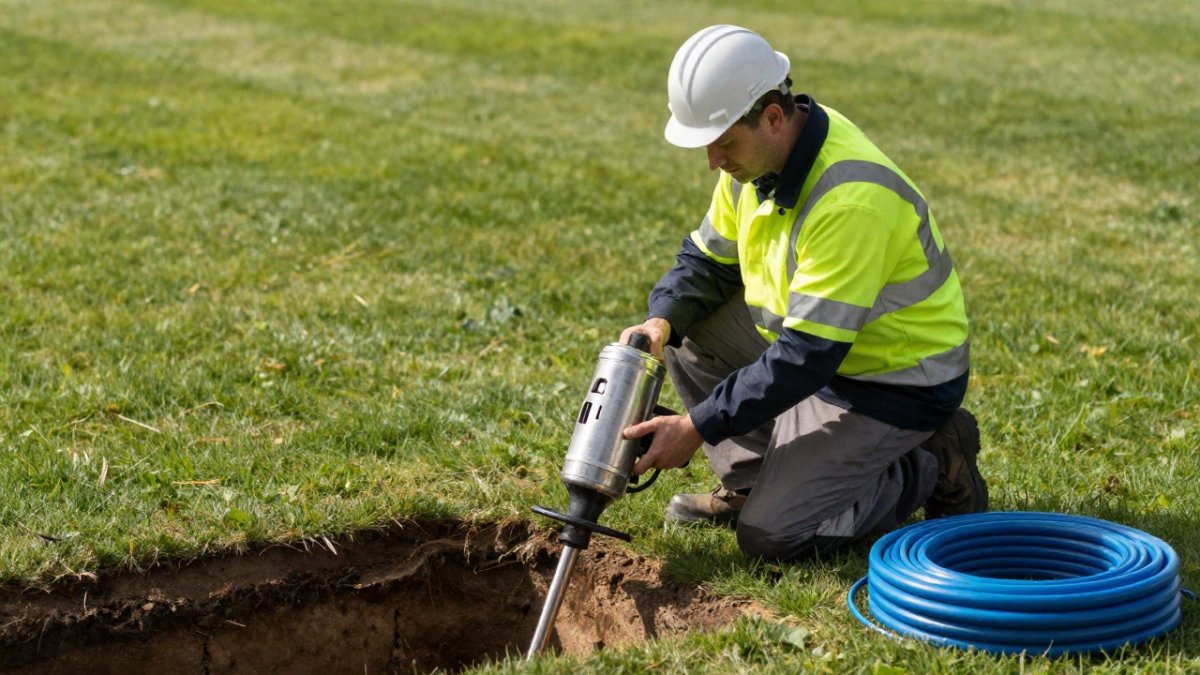
Once the flow stops, start your record. If the leak is from a supply pipe and you need it stopped and repaired without digging up a driveway, our leaking pipe repairs service uses trenchless moling with minimal disturbance. For urgent situations, this guide on emergency water pipe repair covers the first hour.
Step 2: How to Report a Leak to Your Landlord in Writing
Report the leak in writing the same day, even if you have already phoned. A phone call leaves no trail. A written notice creates one.
Send it by email and keep a copy. Include the date, the time you noticed the leak, where the water is coming from, and what you have done so far. Attach your photos.
Sample wording for a written notice
Subject: Urgent water leak at [address] - reported [date] Dear [landlord/agent name], I am writing to report a water leak at the property. I first noticed it on [date] at approximately [time]. The leak appears to come from [location, e.g. the pipe under the kitchen sink / the ceiling below the bathroom]. I have turned off the water at the stopcock and moved belongings away from the affected area.
Keep every reply. If your landlord does not respond, send a follow-up and note the date. A pattern of unanswered messages is powerful evidence later.
Step 3: Rental Property Water Damage Photos That Stand Up as Evidence
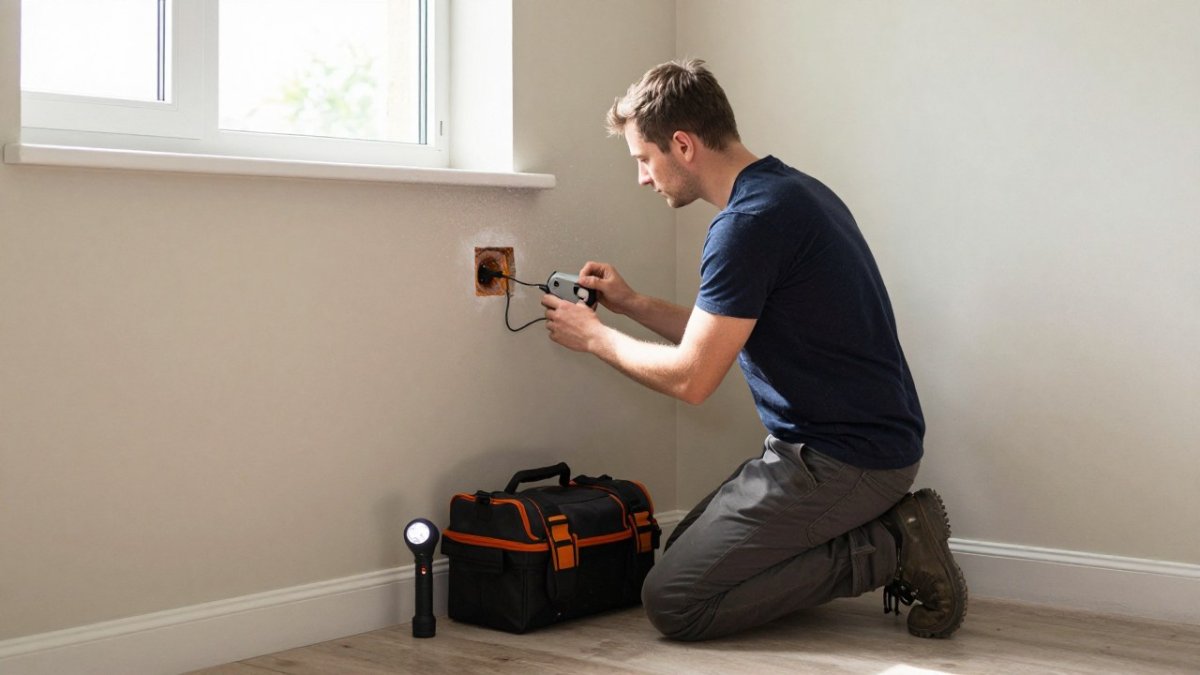
Rental property water damage photos only count as evidence if they show scale, location, and time. A close-up of a damp patch proves nothing on its own.

Shoot wide, then close. Take one photo of the whole room, then a close-up of the damage with something for scale, like a tape measure or a coin. Repeat in every affected room.
A room-by-room photo and video protocol
Wide shot of each room showing the water line
Close-up of each stain, blister, or warped board
Tape measure against the damage for scale
Check your phone settings. Most cameras can stamp the date and time on each image, and that stamp matters in a dispute.
Step 4: Filling In a Water Damage Incident Report Template
A water damage incident report template turns scattered notes into one clean document. Fill it in the same day, while details are fresh, and treat it as a living record. The version below is deliberately more detailed than the bare prompts most guides offer, because the fields are where disputes are won or lost.
The reusable incident log
Keep one master log per incident, stored in the cloud and shared with anyone who needs access. A spreadsheet or a document with a table works equally well. The columns below are the minimum a landlord, insurer, or deposit scheme will expect to see.
Field | What to record | Why it matters |
Incident reference | A short unique code, e.g. WD-2026-11-03-Kitchen | Lets you cross-reference photos, emails, and contractor invoices |
Date and time noticed | Exact date and time, plus how you noticed (smell, stain, sound) | Establishes the start of the repair clock |
Room(s) affected | Room name and precise location (e.g. under sink, ceiling below bathroom) | Ties evidence to a physical space |
Source of water (if known) | Supply pipe, waste pipe, appliance, roof, or unknown | Distinguishes landlord-owned infrastructure from tenant behaviour |
Water appearance | Clear, brown, or dirty; standing or trickling | Colour is a useful clue to supply versus waste |
Action taken | Stopcock off, power isolated, belongings moved, plumber called | Shows mitigation and reduces negligence arguments |
Photos and video | File names and count, plus which room each covers | Proves the visual record exists and is complete |
Witnesses | Name and contact details of anyone present | Corroborates your account |
Landlord or agent notified | Date, time, method (email, phone, portal), and who you spoke to | Starts the formal notice trail |
Acknowledgement received | Date and time of any reply | Shows how quickly the other side acted |
Contractor attendance | Name, company, job sheet or reference number | Links the repair to the incident |
Repair completed | Date, scope of work, and any parts replaced | Closes the timeline and supports cost claims |
Follow-up actions | Anything still outstanding, with a due date | Prevents gaps that look like neglect |
How to complete each field properly
Write in plain, factual language. Avoid adjectives and speculation. "Water pooling under kitchen sink, approximately 1 cm deep, clear, coming from joint on supply pipe" is stronger than "bad leak under sink".
Record times to the nearest five minutes where you can. If you noticed the leak on returning home, say so; do not backdate the moment it started. Consistency between your log, photos, and written notice is what makes the record credible.
Watch out: if you update the log after a later visit, add a new row with the date of the update rather than editing the original entry, because an altered record is easier to challenge than an appended one.
Turning the log into a one-page incident report
For insurers and deposit schemes, condense the log into a single-page summary at the top of the file: incident reference, date noticed, rooms affected, cause if established, actions taken, current status, and total known cost to date.
Update the report after every visit, call, or repair. Store it in the cloud so it cannot be lost with the property's paperwork, and keep a downloaded copy in case account access is interrupted.
Step 5: Tracking the Water Leak Repair Timeline on a Rental Property
The water leak repair timeline on a rental property should be written down, not remembered. Log four dates: when you reported it, when the landlord acknowledged it, when someone attended, and when the repair finished.
A simple log looks like this:
Date | Event | Who | Evidence |
3 Nov | Leak noticed, stopcock off | Tenant | Photos 01-08 |
3 Nov | Written notice sent | Tenant | Email copy |
5 Nov | Landlord acknowledged | Agent | |
7 Nov | Engineer attended | Contractor | Job sheet |
That table answers the question every dispute turns on: how quickly did each party act? This guide on emergency pipe repair service availability explains realistic response times.
Who Is Responsible for Repairs and Water Damage
Responsibility for repairs and water damage usually splits along one line: the landlord owns the structure and supply pipes, the tenant owns their behaviour. Landlords have a duty to keep the property in repair, including plumbing and water supply (Private renting: Repairs).
The dividing question is cause. A failed pipe is usually the landlord's responsibility. Water damage from a tenant's neglect is usually the tenant's. Your documentation is what settles which it was.
If you are a landlord arranging a repair, this emergency pipe repair guide for landlords walks through the process from notice to completion.
Using Your Records in Insurance Claims and Deposit Disputes
Records win claims, but insurers and deposit schemes look for different things in the same file. Treating them as one audience is the most common mistake tenants and landlords make. Split your evidence into two bundles from day one, so each audience gets what it actually weighs.
What an insurer needs to see
An insurer is assessing cause, scope, and cost. Your bundle should let a claims handler answer four questions without contacting you:
What happened and when? The incident report summary, the date-stamped photos, and the written notice to the landlord.
What was the cause? A contractor's report or job sheet identifying the failed component, plus your own notes on water appearance and source.
What was damaged? The room-by-room photo and video record, including close-ups with scale references.
Preserve original files. Do not crop, filter, or re-save photos before submitting them; keep untouched originals in a separate folder and use copies for the claim. Most phones embed date, time, and location metadata, and that metadata is part of the evidence.
Keep a simple cost schedule alongside the log: date, supplier, description, amount in GBP, and receipt reference. A claims handler can reconcile a schedule against receipts far faster than a shoebox of paperwork.
What a deposit scheme needs to see
The test for a deposit deduction is different. An adjudicator is asking whether the damage is the tenant's fault or fair wear and tear, and whether the landlord has evidence of condition at the start and end of the tenancy. Your bundle should therefore include:
The check-in inventory and any schedule of condition, with photos.
The incident report and repair log showing prompt reporting and mitigation.
Before-and-after photos of the affected area, taken from the same position where possible.
A pattern of prompt written notice and documented mitigation is the tenant's strongest defence against a deduction for water damage that was not their fault. Conversely, a landlord relying on a deduction needs the check-in record, the contractor's report, and a clear link between the tenant's action and the damage.
Preserving the file through remediation and beyond
Keep everything for at least the length of the tenancy plus the dispute window, and longer if an insurance claim is open.
Once your records are in order, a water supply specialist can quote for the repair. Our water supply services cover trenchless repair and replacement with minimal disruption.
Water damage disputes are won on paper, not in conversation. If a leaking supply pipe is behind the damage, External Moling Services Ltd can help.
Frequently Asked Questions
What should I document after water damage in a rental property?
Capture date-stamped photos and video of every affected area before anything is moved or cleaned, note the time you first noticed the water, and record the likely source (an overflowing bath, a plumbing joint, an appliance or roofing). Keep every message to your landlord or letting agent in writing, log each repair request and response, and store receipts for any emergency spend you agreed to. A written incident report tying these together gives you one clear evidence file for insurance claims or a deposit dispute.
Can water damage affect a tenancy deposit?
Yes, if the damage is judged to be the tenant's fault, such as an overflowing bath left unattended or a blocked appliance hose that was never reported. Landlords can only make deposit deductions that are fair and supported by evidence, so date-stamped photos, a repair timeline and written communication records matter. If the cause was a failing supply pipe or another maintenance issue, the cost normally sits with the landlord, and your documentation is what shows the difference.
How quickly should a landlord respond to a water leak?
There is no fixed legal deadline, but the landlord must keep the property in repair and act within a reasonable time. Active flooding or a leak threatening electrics warrants an emergency call-out the same day, while a slow drip under a sink can usually be inspected within a few days. Set out your expected repair timeline in writing, keep chasing politely, and record every date. Persistent delay with no explanation strengthens any later complaint or claim.
How can I show that water damage was caused by a leak rather than tenant damage?
Photograph the source as well as the result: a corroded pipe joint, a failed appliance connection or missing roof tiles tell a different story from a knocked-over basin. Take close-ups with a tape measure or coin for scale, film a short video of water tracking along a wall, and note any moisture readings if an engineer takes them. Keep the damaged item rather than binning it until the cause is agreed, and ask the repairer to state the cause on their invoice.



Comments