


7 Ways to Identify Lead Pipes in My Home
Last Updated: October 23, 2026
Quick Summary
To identify lead pipes, check the pipe under your kitchen tap and at the internal stop tap for a dull grey surface that turns shiny silver when scratched. A magnet will not stick to lead, and tapping it gives a dull, flat thud rather than a clear ring.
Scrape a small inconspicuous area with a coin or key; bright silver metal beneath the grey surface suggests lead.
Lead is not magnetic, so a magnet rules out iron and steel but cannot confirm lead alone.
Lead pipe joints often look swollen or lumpy from wiping solder, unlike smooth copper or plastic joints.
The service line from the street main to your boundary is usually the water provider's responsibility.
Confirm with lead in drinking water testing through a UKAS-accredited laboratory or your water provider.
Table of Contents
1. Start at the Internal Stop Tap and Kitchen Tap
2. Check the Colour: Dull Grey or Shiny Silver Metal
3. The Lead Pipe Scratch Test: Soft Metal and Surface Scraping
Safety precautions before you scrape
4. The Lead Pipe Magnet Test and Pipe Tapping Clues
5. Compare Pipe Material: Copper, Iron and Plastic Pipe
6. Inspect Pipe Joints, Swollen Joints and the Service Line
7. Lead in Drinking Water Testing: Confirm Before You Act
When to Book Lead Pipe Replacement
Frequently Asked Questions
1. Start at the Internal Stop Tap and Kitchen Tap
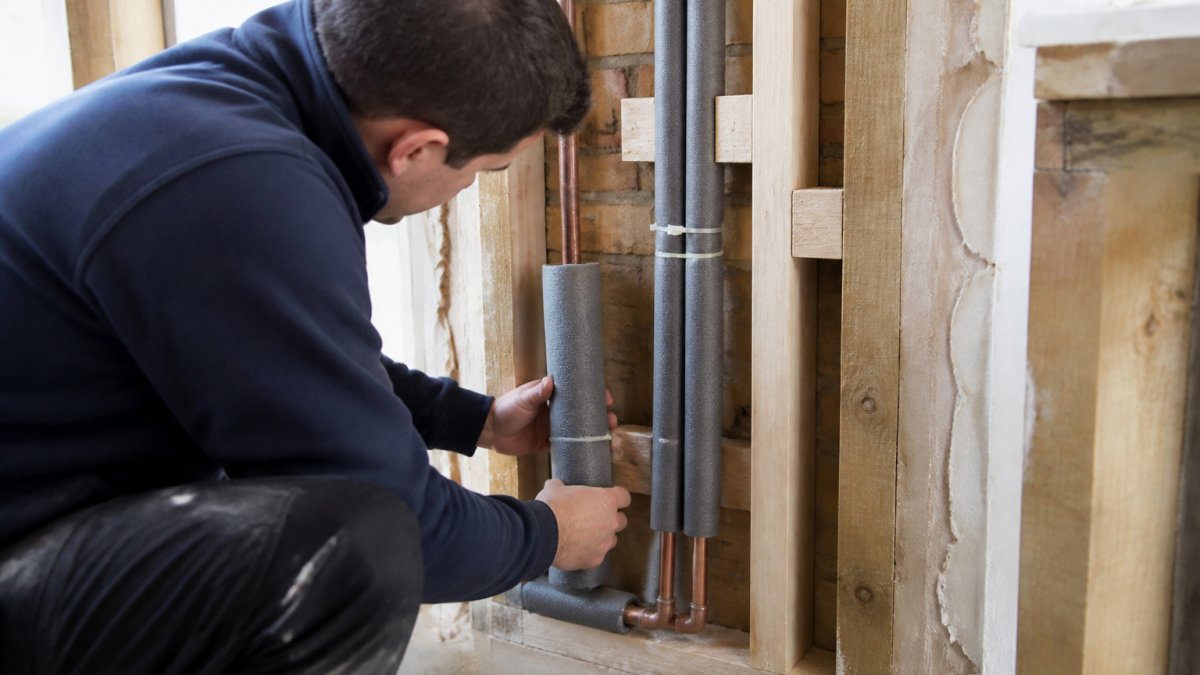
The fastest way to identify lead pipes in your home is to look at the pipe feeding your kitchen tap and the pipe rising from your internal stop tap. These two points are usually the most accessible sections of the water supply pipe, and they are where most lead service lines are found.
Turn off the tap, dry the pipe with a cloth, and look closely at the section between the stop tap and the point where the pipe disappears into the wall or floor.
Check the pipe directly under the kitchen tap, where it connects to the appliance
Trace the pipe back to the internal stop tap, usually under the sink or in a utility cupboard
Look at any exposed pipework where it enters the property through an external wall
If the pipe is painted, concealed behind boxing, or buried in a solid floor, you cannot assess it visually. In that case, move to the water testing step at the end of this guide. A qualified plumber or your water provider can advise on access.
2. Check the Colour: Dull Grey or Shiny Silver Metal
Lead pipes have a distinctive look: a dull grey surface that turns bright and shiny silver when scratched. That contrast is the single most reliable visual clue.
Fresh lead is soft and grey. Over decades, it oxidises into a darker, matte grey with a slightly uneven texture. Copper pipe, by contrast, shows a bright brown or orange tone when new and green patina when old. Iron pipe looks black or rusty.
Hold a torch at an angle to the pipe and check the colour along its length. Look for:
A dull grey finish that does not reflect light sharply
A matte surface with slight dents or marks from where it has been bent
Any area where the grey coating has worn away to reveal silver underneath
Watch Out Do not confuse a dull grey exterior with lead. Some modern plastic pipes and coated steel pipes look similar in poor light. Colour alone is a clue, not a confirmation. Always pair it with a physical check.
3. The Lead Pipe Scratch Test: Soft Metal and Surface Scraping
The lead pipe scratch test is the most direct way to check pipe material at home. Lead is a soft metal, so a gentle scrape with a coin, key, or flathead screwdriver will reveal shiny silver metal beneath the grey surface. Copper and iron resist this kind of marking.

Work carefully. Scrape a small area, no more than a few millimetres, in an inconspicuous spot. If the metal beneath is bright silver and easy to gouge, lead is likely. If it is hard and the mark is barely visible, the pipe is probably copper or steel.
Safety precautions before you scrape
Wear gloves and eye protection
Do not scrape painted pipe, as old paint may contain lead
Ventilate the area and wash your hands afterwards
Never scrape a pipe that is leaking or under pressure
A common mistake is scraping too hard and damaging the pipe wall. Lead is soft enough that a light pass is all you need.
4. The Lead Pipe Magnet Test and Pipe Tapping Clues
The lead pipe magnet test is a quick secondary check. Lead is not magnetic, so a magnet will not stick to it. Steel and iron pipes attract a magnet strongly, while copper and plastic do not.
That means the magnet test rules out iron and steel, but it cannot confirm lead on its own. Use it alongside the scratch test.
Pipe tapping adds another clue. Tap the pipe lightly with a coin or the handle of a screwdriver and listen:
Pipe material | Sound when tapped | Magnet response |
Lead | Dull, flat thud | No attraction |
Copper | Clear, ringing tone | No attraction |
Iron or steel | Higher, sharper ring | Strong attraction |
Plastic | Muffled, hollow tap | No attraction |
If the pipe sounds dull and a magnet does not stick, lead becomes a strong possibility. If the magnet grabs, you are dealing with iron or steel and can rule lead out.
5. Compare Pipe Material: Copper, Iron and Plastic Pipe
Comparing your pipe against known materials is the simplest way to identify lead pipes with confidence. Each material has a distinct look, feel, and sound, and the differences become obvious once you know what to look for.
Copper pipe: Bright brown or orange when new, turning green or dark brown with age. Hard, with clean soldered joints. Rings clearly when tapped.
Iron pipe: Black or rusty surface, often with visible corrosion. Very hard. A magnet sticks firmly.
Plastic pipe: White, grey, or black. Lightweight and slightly flexible. No metallic sound when tapped.
Lead pipe: Dull grey, soft enough to mark with a fingernail, and shiny silver when scraped. Often has swollen, lumpy joints.
Pro Tip Lead pipe bends easily by hand. If you can flex a short exposed section with light pressure, and it holds the bend, that is a strong sign of lead. Copper and iron will not bend without force.
6. Inspect Pipe Joints, Swollen Joints and the Service Line
Lead pipe joints often look swollen or irregular because lead is joined by wiping solder, which leaves a thick, lumpy collar around the connection. Smooth, neat joints usually point to copper or plastic.
The service line matters as much as the pipe inside. The service line is the pipe running from the water main in the street to your property boundary and into your home. Responsibility is usually split:
Public side: from the main to the property boundary, typically the water provider's responsibility
Homeowner side: from the boundary into the property, usually your responsibility
Check where the pipe crosses the boundary. If lead appears on your side, replacement is your call. If it appears on the public side, contact your water provider, as many offer lead replacement schemes or assistance.
7. Lead in Drinking Water Testing: Confirm Before You Act
Lead in drinking water testing is the only way to confirm whether lead is actually getting into your tap water. Visual checks tell you what the pipe is made of; a water sample tells you what you are drinking.
Use a UKAS-accredited laboratory or ask your water provider about testing. Follow the sampling instructions exactly, and take the sample from the kitchen tap using cold water that has stood in the pipe. Results are given as a lead concentration in micrograms per litre.
Interpreting results matters. Any detectable lead is worth acting on, and higher-risk household members, including pregnant women, infants, and young children, are more vulnerable to lead exposure. If results are elevated, flush the tap before drinking, use cold water for drinking and cooking, and plan pipe replacement.
When to Book Lead Pipe Replacement
Book lead pipe replacement when a scratch test, joint inspection, or water sample confirms lead on your side of the boundary. Do not wait for a leak or a failed water quality test.
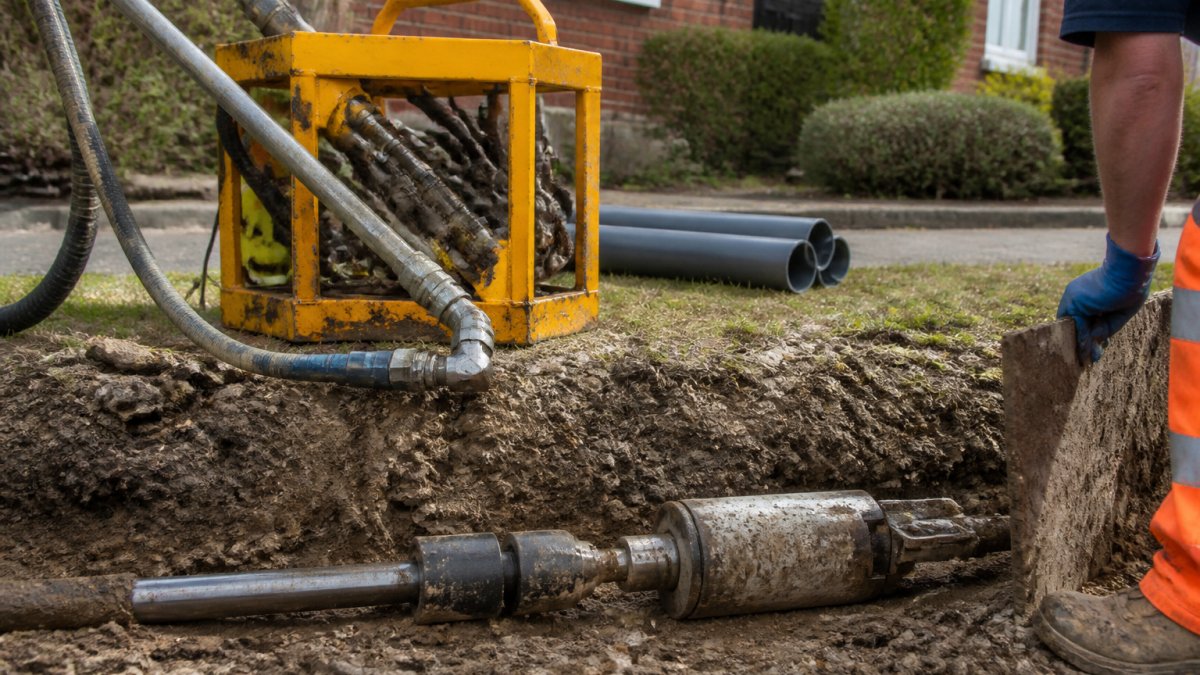
External Moling Services Ltd specialises in trenchless moling for water supply pipe replacement. We work 24 hours a day, 365 days a year, and we back water main replacements and repairs with a 10-year labour guarantee. As an approved water board company with fully qualified engineers, we minimise disruption to your garden, driveway, and interior.
If you suspect lead pipes, get a free quote and let our team confirm the material and advise on replacement.
Frequently Asked Questions
How can I tell if the pipes in my home are made of lead?
Start where the water supply pipe enters the property, usually near the internal stop tap or kitchen tap. A lead pipe is dull grey, feels soft, and scratches easily to reveal shiny silver metal underneath. It will not attract a magnet and often has swollen joints. These checks help you identify lead pipes, but they are visual clues only. A water sample or a qualified plumber gives you confirmation before you plan any work.
Can I identify a lead pipe with a magnet?
A magnet is a quick filtering tool, not a final answer. Lead is non-magnetic, so a magnet will not stick to it. Copper, plastic and most iron pipes also fail the magnet test, so a lack of attraction does not prove the pipe is lead. Use the magnet test alongside the scratch test and a colour check. If the pipe is dull grey, soft and non-magnetic, treat it as suspected lead and arrange testing.
Can lead pipes be hidden behind walls or under floors?
Yes, and this is common in older properties. Where pipework is painted, boxed in or buried, do not drill or scrape blindly. Check any exposed section near the stop tap first, then look at plumbing records or ask your water provider about the service line. If the pipe is inaccessible, a water sample for lead in drinking water testing is the safest next step before deciding on lead pipe replacement.
Should I replace a lead pipe if I find one?
Replacement is the permanent fix, but urgency depends on your results. If lead in drinking water testing shows a lead concentration above the regulatory limit, act quickly and avoid drinking from the kitchen tap in the meantime. Flushing the tap with cold water reduces exposure but does not remove the pipe. A qualified plumber or approved water board company can advise on lead pipe replacement.
A confirmed lead service line is a job for specialists, not a weekend DIY project. External Moling Services Ltd replaces lead water supply pipes using trenchless moling, which avoids digging up your garden or driveway. Our engineers are fully qualified and fully insured, we operate 24/7 for emergencies, and every water main replacement carries a 10-year labour guarantee. Get your free quote today and protect your household's drinking water.
Get Your Free Quote
Add externalmolingservicesltd.co.uk as a preferred source on Google →


Comments