


Should You Insulate Water Pipes in a Victorian Home?
Table of Contents
Last Updated: October 30, 2026
Water pipes in a Victorian home are often the first thing to cause trouble in winter, which is why water pipe insulation is worth considering before the cold arrives. External Moling Services Ltd works on water supply pipes across London and Southeast England, and period properties often present the same challenges: original pipework, tight spaces and uncertainty about what insulation is safe to fit. This guide explains whether you should insulate water pipes in a Victorian home, how to do it without causing damp, and when insulation alone is not the answer.
The short version: insulating water pipes is often worth doing, but it has to be done with the building in mind. Victorian walls and floors breathe, and the wrong materials can trap moisture where it does damage.
Why Victorian Homes Need Careful Pipe Insulation
Victorian houses were built with solid masonry walls, suspended timber floors and cellars or voids that were never designed for modern insulation. Why original Victorian lead and cast iron pipes fail explains how these construction choices shape the problem. Water pipes in these properties often run through unheated spaces, which makes them vulnerable to freezing during cold spells.
A common mistake is treating a period home like a modern one. Fitting vapour-tight materials around old pipes can stop the building from drying out, and that moisture can end up in the timber and plaster.
Solid walls rarely have cavities for pipes to sit in
Lofts, cellars and under-floor voids are the most exposed runs
Original materials such as lime plaster and timber joists need to breathe
Where Pipes Run in Victorian Layouts and Why It Matters
In most Victorian terraces the incoming supply enters through the front of the property and runs towards the kitchen, often along the external wall or under the floor. Older layouts may also have pipes chased into plaster, which makes them harder to reach.
Knowing the route before you buy insulation can help you plan the job. Map the runs you can see, and note where the pipes pass close to external walls, because those are the sections most likely to freeze.
How to Insulate Water Pipes Without Causing Damp
The safest approach is to insulate the pipe itself and leave the building fabric alone. Use materials that let moisture pass through and avoid sealing the pipe in a way that traps condensation.

Here is a simple process:
Turn off the water supply and drain the affected section.
Dry and clean the pipe surface before fitting anything.
Fit lagging snugly, with the joins taped in a way that still allows air movement.
Check the area again after the first damp period, looking for any staining or softening.
Choosing Breathable Materials for Period Properties
Breathable materials are generally considered suitable for many Victorian homes. Mineral wool or natural fibre lagging allows moisture to move rather than soaking into surrounding timber or plaster.
Avoid closed-cell foams wrapped tightly around the pipe in a cold void with no airflow, because condensation can build up underneath. If you are unsure, ask a qualified plumber to recommend a material that suits the age and construction of your property.
Pipe Insulation in Lofts, Cellars and Under Suspended Floors
Lofts are usually among the easier places to insulate, since there is space to work and access. Cellars and under-floor voids are harder. They are often damp, so ventilation matters more than thickness.
Lofts: fit lagging along the full run, including bends and valves
Cellars: check for damp first and fix any water ingress before insulating
Under-floor voids: keep air vents clear so moisture can escape
Water Pipe Insulation Thickness: What Works
Thickness is an area where homeowners can go wrong, because the instinct is to buy the thickest lagging available. In a period property that approach can do more harm than good.
W Farmstead
Lagging thickness should be matched to the pipe and its location. Consult the manufacturer's guidance for the specific product before choosing a thickness. The right figure depends on three things: how cold the space gets, how long the pipe sits idle, and what the pipe is made of.
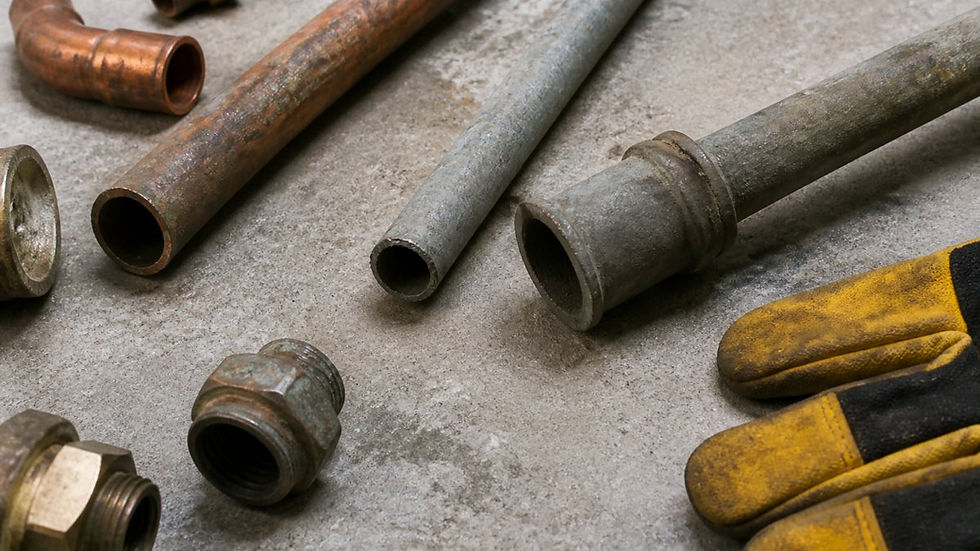
Copper: conducts cold quickly along its length, so exposed runs benefit from thicker lagging and careful coverage of joints and bends.
Lead: common in older properties and soft enough to deform; lagging must not compress or crush it, and any lead supply should be assessed before it is covered.
Plastic (where already replaced): less conductive than copper but more vulnerable to UV and physical damage, so sleeve it fully rather than taping loosely.
There is a practical ceiling. Adding a second layer over an already snug sleeve may trap moisture against the inner one. In a damp cellar, ventilation is generally more important than sheer thickness.
Watch Out Do not use thickness as a substitute for fixing the cause. If a void is permanently wet, no amount of lagging will stop the pipe freezing, the water has to be dealt with first.
Where pipes run close to an external solid wall, the cold bridge is the wall itself, not the air around the pipe. In those runs, a thicker sleeve plus a small air gap between pipe and masonry is more effective than wrapping the pipe tightly against the brickwork. Keep the lagging continuous through floor joists where possible, and seal the gap around the pipe where it passes through a cold external wall, but use a breathable filler, not expanding foam, so the surrounding timber can still dry.
If you are unsure which thickness suits a particular run, a qualified plumber can advise based on the void temperature and pipe material.
The article sets out the main factors that shape which lagging suits each pipe, depending on material and location.
Pipe material | Key consideration | Practical note |
Copper | Conducts cold quickly along its length | Thicker lagging on exposed runs, cover joints and bends |
Lead | Soft and can deform | Lagging must not compress or crush it |
Plastic (where replaced) | Less conductive but vulnerable to UV and damage | Sleeve fully rather than taping loosely |
Preventing Frozen Pipes in Older Homes
Most frozen-pipe advice is written for modern houses with cavity walls and heated lofts. Victorian homes fail in different places, and the fixes have to respect the original fabric.
The common failure points in period properties are consistent:
Where the supply enters through an external solid wall. The masonry is cold, and the pipe is often chased into plaster or sitting in a shallow recess. This is the single most common freeze point.
Under suspended timber floors over unheated cellars or vented voids. Cold air moves freely here, and pipes are often unlagged because they are out of sight.
In roof spaces behind lath and plaster ceilings. These voids are draughty and cold, and pipes feeding tanks or showers are frequently exposed.
At outside taps and their internal stop valves. The valve body sits inside the wall, where it is shielded from room heat but exposed to the cold.
Practical steps that suit a Victorian home:
Trace the incoming supply before winter. Note where it crosses external walls and where it runs through unheated voids. Those are the runs to prioritise.
Keep background heat in the rooms the pipes pass through, not just the rooms you use. A low thermostat setting in a spare room above a cold cellar does more for the pipe below than a blast of heat in the kitchen.
Leave loft hatches slightly open in very cold spells so warm air can reach roof-space pipework, but only if the roof space is ventilated and dry.
Drip taps on the coldest nights. A slow trickle keeps water moving and relieves pressure if ice does form.
Know where the stopcock is and check it turns (Steps to reduce the risk of burst pipes). In older homes they are often stiff or painted over, and a seized stopcock turns a burst pipe into a flood. Signs of aging water pipes helps you recognise when older pipework is deteriorating and needs attention beyond insulation.
Pro Tip Insulating the pipe is only part of the job in a period home. Making sure the void around it can dry matters too. Keep air bricks and under-floor vents clear, and never block them with insulation or stored items.
There is a balance to strike with period features. Original skirting boards, cornicing and lath and plaster ceilings should not be cut away to reach a pipe unless there is no alternative. Where a pipe runs behind skirting, lift the board carefully and refit it rather than notching the plaster. Where it passes through a ceiling rose or cornice, sleeve the pipe and seal the penetration with a breathable filler so the decorative plaster is not stained by condensation.
Finally, note the spots that have frozen before. Victorian homes tend to fail in the same place each year, and a short written record of which run froze and when is more useful than any generic checklist.
When Insulation Is Not Enough: Water Pipe Replacement in Older Homes
Sometimes insulating the pipe does not solve the problem. If the pipe is corroded, leaking or made from lead, lagging only hides the damage. Lead pipework in particular should be assessed by a qualified professional (Lead in Drinking Water).
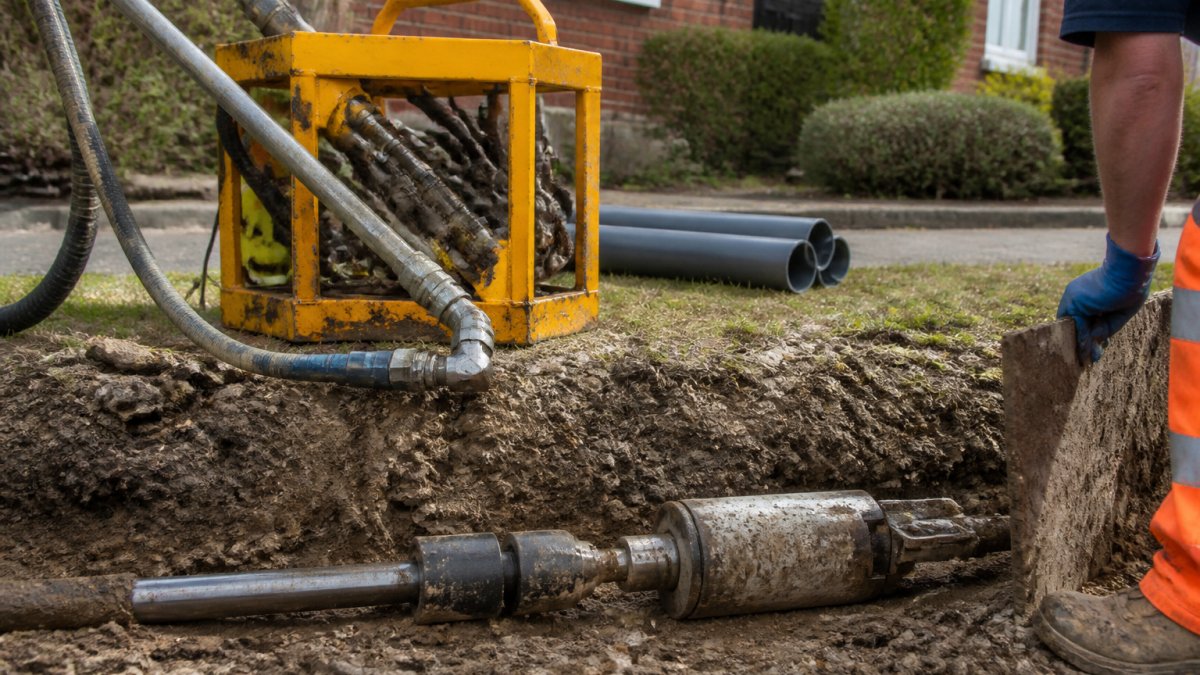
Signs that replacement may be the better option include repeated bursts in the same run, low pressure across the whole house, discoloured water, or visible corrosion where the pipe enters the property. Identifying and replacing lead water pipes walks through how to check whether your property has lead pipework. Trenchless replacement using moling techniques can renew the supply with less disruption to gardens and paths than open trenching.
Booking a Pipe Assessment for Your Victorian Property
If you are not sure whether your pipes need insulating, repairing or replacing, a professional assessment is the quickest way to get a clear answer. External Moling Services Ltd provides trenchless water supply services across London and Southeast England.
Water Supply Services cover the full range of supply pipe work, and if your assessment shows the old pipework needs replacing, lead pipe replacement can be arranged. The business is available 24 hours a day, 365 days a year, so you can get help the moment a problem appears. Get your free quote today and get a clear plan for your home's water supply.
Frequently Asked Questions
Should I insulate water pipes in a Victorian home?
In most Victorian homes, yes, particularly where pipes run through unheated lofts, cellars, outside walls or under suspended timber floors. Victorian houses often have draughty voids and older pipework that is more vulnerable to freezing. Insulation reduces the risk of bursts and cuts heat loss from hot water pipes. The key is choosing a breathable, non-trapping material and avoiding insulation that seals moisture into solid walls or timber. Pricing for insulation work depends on pipe length, access and the route, so ask External Moling Services Ltd or a local plumber for a site-specific quote.
Which insulation is suitable for water pipes in an older house?
Closed-cell foam pipe lagging is the most common choice for exposed runs in lofts and cellars because it is simple to fit and resists water. Mineral wool or wood fibre sleeves can suit spaces where moisture movement matters more, as they allow some vapour to pass. Avoid wrapping pipes in materials that trap damp against brickwork or lath and plaster. Where pipes are fixed to or run within solid walls, insulation rarely helps and the wall itself may need to be considered, so seek specialist advice before sealing anything in.
How thick should water pipe insulation be?
The appropriate lagging thickness depends on pipe diameter and location, so check manufacturer guidance for the specific product before buying. Pipes in exposed, very cold voids may benefit from thicker sleeving or additional wraps. Thickness alone does not prevent freezing; the insulation must fit snugly, cover fittings and joints, and be kept dry. The right size depends on pipe diameter and location, so check manufacturer guidance for the specific product before buying.



Comments