


Signs of Aging Water Pipes: What Homeowners Need to Know
Table of Contents
How to Recognize Signs of Aging Water Pipes
Visual indicators you can spot yourself
Performance changes in your water supply
Low Water Pressure and Reduced Flow
Is it the pipes, the fixture, or the supply?
Measuring pressure and flow accurately
What the pattern tells you
Leaks, Pipe Breaks, and Hidden Water Loss
Rust-Coloured Water and Discoloration
Old Water Pipes and Water Quality
Metallic taste and unusual odours
Health risks from corroded pipes
Understanding Pipe Age and Material
How long do different pipe materials last
Identifying lead pipes and other legacy materials
Water Supply Pipe Inspection: When and How
When to arrange an inspection
What a professional inspection covers
How to confirm the cause of a symptom
Creating a homeowner checklist for early detection
Water Pipe Replacement Process and Next Steps
Repair versus replacement: making the right choice
What to expect during replacement work
Frequently Asked Questions
Last Updated: October 21, 2026
How to Recognize Signs of Aging Water Pipes
Water pipes don't fail suddenly. They deteriorate over decades, sending warning signals long before they break. Recognising the early signs of aging water pipes helps you avoid costly emergencies and plan repairs before a catastrophic failure.
Many homeowners miss these signals until water stops flowing or damage appears. External Moling Services Ltd has over 20 years of experience identifying these warning signs across London and Southeast England.
Visual indicators you can spot yourself
Walk around your property for visible clues. Damp patches on exterior walls, particularly near the water meter or boundary line, often indicate leaks in underground pipes. Unusually green patches of grass or moss in one garden area can signal a slow leak.
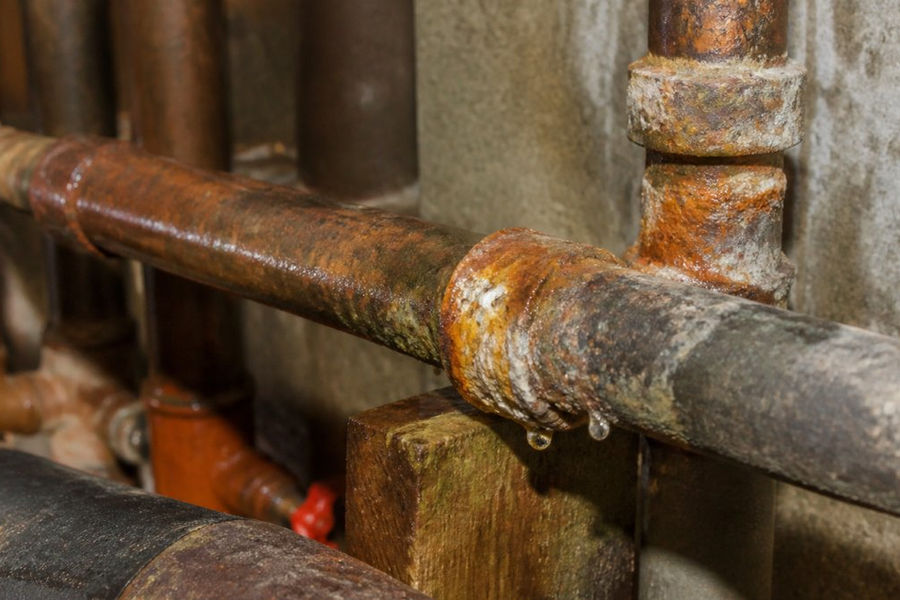
Inside, check under sinks and around the water meter for water stains or mineral deposits. Corroded metal pipes show discolouration from orange-brown to white chalky buildup; rough, pitted surfaces suggest the pipe material is breaking down.
Performance changes in your water supply
Reduced pressure affecting multiple taps simultaneously points to internal pipe deterioration rather than a local blockage. If shower pressure has gradually weakened over months, the pipes are likely accumulating mineral deposits or corrosion.
Fluctuating pressure that drops and recovers unpredictably indicates partially blocked pipe sections or developing small leaks. Banging sounds when you turn taps on or off (water hammer) can mean pipes are loosening or corroding internally.
Low Water Pressure and Reduced Flow
Low water pressure is one of the most common complaints from homes with aging water pipes, but also one of the most frequently misdiagnosed. Corrosion and mineral buildup narrow the internal diameter of the pipe, restricting flow, but the same symptom can stem from a failing fixture, a water heater problem, or a temporary change in your supplier's network.
Is it the pipes, the fixture, or the supply?
Start with a room-by-room test. If flow is poor at every cold outlet but hot water is unaffected, the restriction is likely in the cold main supply pipe or the communication pipe owned by your water company.
If hot water is weak but cold is fine, the issue lies with your water heater or the pipe run from it.
Pro Tip Before calling a plumber, check with your water company's website or incident line. Supply interruptions, main repairs, or pressure changes in your area can mimic pipe deterioration and are usually resolved without any work on your property.
Measuring pressure and flow accurately
A simple pressure gauge (around £10-£20 from hardware stores) attached to an outdoor tap gives a static pressure reading. Most homes should have 1.5 to 5.5 bar (approximately 20-80 psi); consistently below 1.5 bar suggests a restriction or supply-side issue.
To measure flow rate, time how long it takes to fill a 1-litre container at a fully open cold tap. A healthy supply fills 1 litre in 6-10 seconds (6-10 litres per minute).
What the pattern tells you
A gradual decline in pressure over months or years, affecting all cold outlets, is the classic signature of internal corrosion and mineral buildup in aging water pipes.
If you have ruled out fixture problems, confirmed with your water company that there is no supply issue, and still see low flow at multiple cold outlets, arrange a professional inspection.
Leaks, Pipe Breaks, and Hidden Water Loss
Leaks in aging water pipes often develop gradually, making them easy to overlook until water damage becomes visible.
Check your water meter to detect hidden leaks. Turn off all taps and appliances, read the meter, wait 30 minutes without using water, then read it again.
Sudden pipe breaks cause dramatic water loss, water erupts from the ground or your supply stops abruptly. These usually occur when aging water pipes have weakened so severely that normal water pressure ruptures them.
Rust-Coloured Water and Discoloration
Discoloured water flowing from your taps signals corrosion inside aging water pipes. Rust-coloured or orange-tinged water indicates iron oxidation, the pipe material is literally dissolving into your water supply.
Discolouration is often worse when you first turn on a tap after water has sat in the pipes overnight.
Old Water Pipes and Water Quality
Water quality deteriorates when pipes corrode because contaminants leach into the supply. Beyond discolouration, you may notice changes in taste or smell.
Metallic taste and unusual odours
A metallic or bitter taste almost always means corrosion is releasing metal ions into the supply. Copper pipes produce a distinctive metallic taste; iron and steel pipes create a more mineral-heavy, "rusty" flavour.
Unusual odours, musty, earthy, or sulphur-like, can indicate bacterial growth inside corroded pipes or chemical reactions between water and deteriorating pipe material. If your water smells like rotten eggs or sewage, investigate immediately.
Health risks from corroded pipes
Corroded pipes pose genuine health concerns, particularly in older homes. Lead pipes, common in properties built before the 1970s, are the most serious risk.
Corroded pipes also allow bacteria and other contaminants to enter the water supply. Legionella, which causes serious respiratory illness, can grow in stagnant water inside deteriorating pipes (Managing legionella in hot and cold water systems).
Understanding Pipe Age and Material
Different pipe materials fail at different rates, and knowing what's in your walls helps predict when problems will emerge. Pipe age and material together determine how urgently you need to act.
How long do different pipe materials last
Lead pipes, installed in many homes built before 1970, can last 50+ years but pose health risks long before they fail structurally.
Plastic pipes (PVC and PEX), installed since the 1980s, are designed to last 50-100 years and resist corrosion entirely, though they can degrade if exposed to sunlight or certain chemicals.
The older your pipes, the more urgently you need to assess their condition.
Identifying lead pipes and other legacy materials
Lead pipes feel soft and can be scratched with a coin, try scratching a small, inconspicuous area. Lead pipes are typically dull grey on the outside and were standard in homes built before 1970, particularly in London and Southeast England.
Galvanised steel pipes are silver-grey and feel hard. They often show white or grey crusty deposits (zinc corrosion) on the outside. Copper pipes are reddish-brown or greenish (if corroded) and are much harder than lead.
If you're unsure what material your pipes are, a professional inspection will identify them. This matters because lead pipes require urgent replacement for health reasons, while other materials may have more time.
Water Supply Pipe Inspection: When and How
Professional inspection is the only way to know the true condition of your aging water pipes, especially for underground sections you cannot see. Understanding what a competent assessment involves helps you ask the right questions and avoid unnecessary work.
When to arrange an inspection
Arrange a professional inspection if you notice persistent low pressure at multiple cold outlets after ruling out fixture and supply issues; discoloured water that does not clear after running the tap; unexplained increases in your water bill; damp patches or soft ground in your garden; or repeated leaks and repairs. If your property was built before 1980 and the pipes have never been assessed, a precautionary inspection is sensible.
What a professional inspection covers
For underground sections, the inspector may use acoustic leak detection equipment, which listens for the distinctive sound of water escaping from a pressurised pipe. This is non-invasive and can pinpoint a leak without digging.
Water quality testing may also be recommended if discolouration or taste issues are present. A sample can be sent to a UKAS-accredited laboratory for analysis of metals (including lead), bacteria, and other contaminants.
Watch Out Any work on the communication pipe (the section between the water main and your property boundary) is the responsibility of your water company. Do not attempt to inspect or repair this section yourself. Contact your supplier, who is legally obliged to maintain it.
How to confirm the cause of a symptom
A good inspection does not just identify problems, it distinguishes between them. Low pressure at all outlets could stem from a restriction in your supply pipe, a pressure-reducing valve set too low, or a supply-side issue; testing at the boundary separates these.
If you suspect lead, ask for a water sample to be taken after the water has stood in the pipes for at least 30 minutes (a 'first draw' sample).
Creating a homeowner checklist for early detection
Don't wait for a professional inspection if you notice warning signs. Document what you have observed, reduced pressure, discoloured water, leaks, or visible corrosion, and check your water bill for unexpected increases, which often signal hidden leaks.
A simple maintenance log, noting dates of leaks, pressure readings, and any water quality changes, gives an inspector valuable history and helps you track deterioration over time.
Water Pipe Replacement Process and Next Steps
Once you've identified that your aging water pipes need replacement, understanding the process helps you plan and minimise disruption.
Repair versus replacement: making the right choice
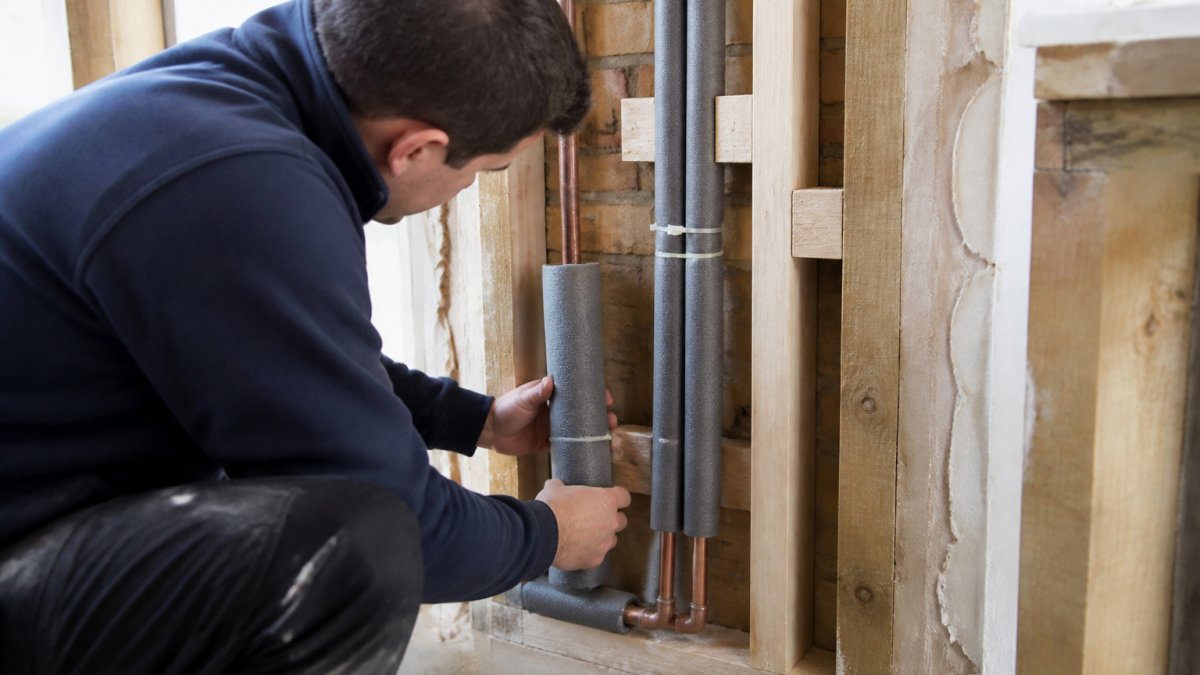
Small leaks in localised sections can sometimes be repaired, but this is typically a temporary fix. If your pipes show widespread corrosion, repeated failures, or affect water quality, replacement is the only lasting solution.
Repairs might extend the life of aging water pipes by a few years, but they don't address the underlying deterioration. The decision comes down to how much longer you plan to stay in the property and whether you can afford repeated emergency repairs.
What to expect during replacement work
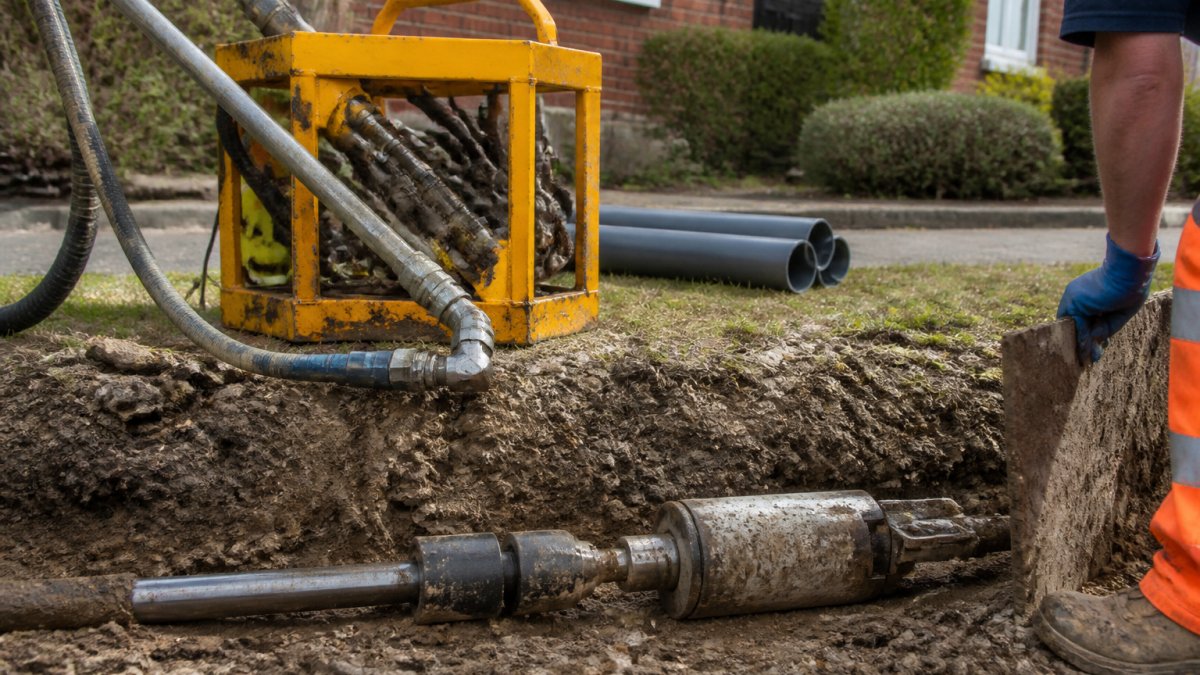
Traditional pipe replacement requires extensive digging, disrupting gardens, driveways, and landscaping. Trenchless moling technology, used by specialists like External Moling Services Ltd, installs new pipes beneath the surface without excavation, minimising disruption.
Modern pipes (copper or plastic) last 50-100 years, so replacement is a long-term investment. External Moling Services Ltd offers a 10-year labour guarantee on water main replacements and repairs, giving you peace of mind that the work is protected.
Aging water pipes don't just cause inconvenience, they compromise water quality, waste water through hidden leaks, and risk catastrophic failure at the worst possible moment. External Moling Services Ltd provides 24/7 emergency replacement services using trenchless technology that protects your property while solving the problem permanently. Get your free quote and discover how much you can save by addressing aging water pipes before they fail.
Frequently Asked Questions
What are the most common signs of aging water pipes?
The most obvious signs include low water pressure, rusty or discoloured water, visible leaks under sinks or in basements, and unusual metallic tastes or odours. You may also notice damp patches in walls or gardens, hear banging sounds in pipes when taps are turned on, or experience repeated blockages. If your home is over 50 years old and has original pipework, these signs become more likely. A professional water supply pipe inspection can confirm whether aging is the cause.
Can old water pipes affect water quality?
Yes, significantly. Aging water pipes allow corrosion products, iron, copper, and lead, to leach into your drinking water. Lead pipes, common in properties built before 1970, pose particular health risks, especially for children and pregnant women. Mineral buildup inside pipes can reduce flow and trap bacteria. Discoloured water, metallic taste, and unusual odours all indicate water quality problems from pipe deterioration. Testing your water and having a professional inspect your pipes will identify whether quality issues stem from aging pipes or other causes.
How often should water supply pipes be inspected?
If your pipes are over 40 years old, an inspection every 2-3 years is sensible. Properties with lead pipes should be inspected immediately to assess replacement urgency. A qualified engineer can assess your specific pipe age, material, and condition to recommend an inspection schedule tailored to your property.
Should I repair or replace my aging water pipes?
Repair is appropriate for isolated leaks in otherwise sound pipes under 30 years old. Replacement is necessary if pipes are over 50 years old, showing multiple signs of failure (leaks, pressure loss, discoloration), or made of lead. Trenchless replacement methods, like moling, minimize garden and property disruption compared to traditional excavation. Costs and timeline vary by pipe length, material, and access. A water pipe replacement process assessment by a professional will identify whether your pipes warrant repair or full replacement, and what method suits your property best.
Get Your Free Quote


Comments