


What Is Trenchless Water Pipe Repair and Why Cost Matters
Trenchless water pipe repair cost is a critical consideration for homeowners and property managers facing aging or damaged water supply infrastructure. Unlike traditional excavation methods that require digging trenches across your property, trenchless repair techniques minimise surface disruption whilst addressing underground pipe problems effectively.
The appeal is straightforward: you avoid the cost and chaos of tearing up gardens, driveways, and landscaping. But understanding what trenchless water pipe repair cost actually involves, and how it compares to conventional approaches, requires looking beyond the headline figure. The true expense depends on pipe length, damage severity, ground conditions, and which method your contractor recommends.
At External Moling Services Ltd, we've spent over 20 years helping homeowners and property managers navigate these decisions. What we've learned is that the cheapest quote rarely tells the full story. A transparent breakdown of what you're paying for, and what it includes, matters far more than chasing the lowest number.
Key TakeawayTrenchless water pipe repair cost typically reflects the complexity of your specific situation: how far the pipe runs, what condition it's in, and how accessible it is. The method chosen (pipe lining or pipe bursting) significantly affects your final bill.
How Much Does Trenchless Water Pipe Repair Cost?
Trenchless water pipe repair cost varies considerably based on project scope and site conditions. Rather than offering a single figure, understanding the variables that drive pricing helps you evaluate quotes accurately and avoid surprises.
Cost per metre and project variables
Pricing for trenchless water pipe repair is often quoted per metre of pipe treated, though the total project cost depends on multiple factors working together. A shorter pipe run with straightforward access costs less per metre than a longer run with obstacles or difficult ground conditions.
The method selected, pipe lining (coating the interior of the existing pipe) or pipe bursting (fracturing the old pipe and replacing it in one operation), affects cost per metre significantly. Pipe lining is generally the less invasive option and often costs less, whilst pipe bursting is required when the existing pipe is severely damaged or when a larger diameter is needed.
Ground conditions matter enormously. Soft soil with good drainage is cheaper to work with than clay, rock, or areas with high water tables. Similarly, whether your property sits on a hillside, in a valley, or on flat ground influences the equipment and labour required.
Pro TipRequest a detailed quote that breaks down cost per metre, method-specific charges, access preparation, and surface reinstatement. This transparency helps you compare quotes fairly and understand where your money goes.
What affects your final bill
Several concrete factors determine your trenchless water pipe repair cost. Pipe length is the primary driver, the longer the damaged section, the higher the total cost. A 10-metre repair costs significantly less than a 50-metre replacement, all else equal.
Pipe diameter affects pricing too. Larger pipes (typically 25mm to 50mm for domestic water supplies) require different equipment and more material than smaller ones. The material of your existing pipe, whether it's copper, plastic, or the lead pipes common in older properties, influences the repair method available and its cost.
Access to the pipe determines how much preparation work is needed. If your water main runs directly under a patio with clear access points, costs stay lower.
Damage severity also plays a role. Minor cracks or small leaks may need only targeted pipe lining. Extensive corrosion, multiple breaks, or a pipe that has collapsed internally requires full replacement using pipe bursting, which costs more.
Moling vs Traditional Excavation: Cost and Disruption Comparison
The choice between trenchless moling and traditional open-trench excavation shapes both your costs and your property's immediate future. Understanding the trade-offs helps you make the decision that fits your situation.
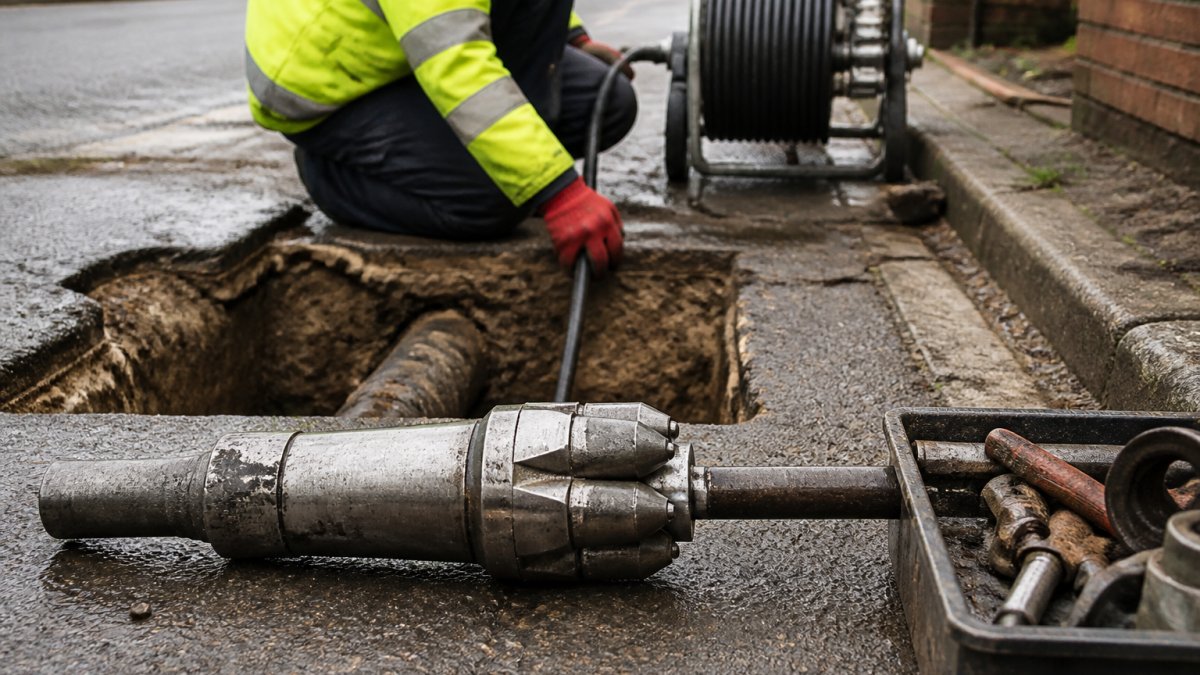
Trenchless moling avoids the large-scale excavation that traditional methods require. With moling, engineers create small access pits at strategic points along the pipe route, then use specialised equipment to repair or replace the pipe underground.
Traditional excavation digs a trench the full length of the damaged pipe, removes the old pipe, installs the new one, and refills the trench.
Cost-wise, moling often appears more expensive per metre because it uses more sophisticated equipment and requires specialist training.
Disruption is where moling wins decisively. If your property is occupied, your business is operating, or you simply want to avoid months of garden chaos, trenchless repair minimises the impact.
Watch OutTraditional excavation may seem cheaper initially, but hidden costs emerge during reinstatement: professional landscaping, new turf, replacing damaged plants, and resurfacing hardstanding can easily exceed the savings made on the repair itself. Budget for the full project cost, not just the pipe work.
Water Main Replacement Cost and When It's Necessary
Water main replacement cost is a significant consideration, particularly for older properties where the original pipework has reached the end of its serviceable life. Understanding when replacement becomes necessary, rather than repair, helps you plan ahead and budget appropriately.
Akers Outdoor Plumbing
Replacement becomes necessary when the pipe is extensively corroded, has multiple breaks, or has collapsed internally to the point where repair alone won't restore reliable supply. Patching individual leaks in a severely degraded pipe is false economy; within months or years, another section fails.
Lead pipes, common in Victorian and Edwardian properties, present a specific case for replacement. Lead poses health risks, particularly for young children and pregnant women. Water companies across the UK are actively encouraging lead pipe replacement.
The cost of water main replacement via trenchless methods reflects the scope of the work. A full replacement of a 30-metre service line costs more than patching a single leak, but the price per metre may actually be lower than repair because the contractor is doing continuous work rather than spot treatments.
Best ForProperties with multiple leaks, visible corrosion, or recurring water supply issues where repair has been attempted before. Full replacement eliminates repeated call-outs and provides long-term reliability.
Moling Cost Per Metre: Understanding the Pricing Model
Moling cost per metre is often the figure homeowners focus on first, but it's only part of the picture. Understanding how this unit price is calculated and what it includes helps you evaluate whether a quote is competitive or inflated.
Moling cost per metre typically covers the specialist labour, equipment hire, and materials needed to repair or replace that length of pipe using trenchless technology.
However, the total project cost includes more than pipe work alone. Access pit excavation, site preparation, traffic management (if needed), and surface reinstatement after the work is complete are often charged separately.
Pipe diameter affects cost per metre significantly. Treating a 25mm domestic water supply costs less per metre than a 50mm main because it requires smaller diameter equipment and less material. Similarly, the condition of the existing pipe influences the method and therefore the cost.
Ground conditions also influence per-metre pricing. Moling through soft, stable soil with good access costs less per metre than working through clay, rock, or areas where the water table is high and requires special handling.
Trenchless Pipe Repair Disadvantages and Suitability
Trenchless water pipe repair cost, whilst often justified by reduced disruption, comes with limitations worth understanding before committing to this method. Not every damaged pipe is a suitable candidate for trenchless repair.
Pipe lining works best when the existing pipe is structurally sound but leaking or corroded internally.
Accessibility is another constraint. Trenchless methods require access pits at intervals along the pipe route. If your water main runs under a building, a mature tree with extensive roots, or a structure you cannot excavate near, trenchless options may be limited.
Older properties with complex underground services present challenges. If your water main runs alongside gas pipes, electrical cables, or sewers with minimal clearance, the space available for moling equipment may be insufficient. A site survey reveals these constraints early.
The condition of the pipe also matters. If corrosion is so advanced that the pipe has thinned significantly, lining may not provide sufficient structural support.
Watch OutRequest a full site survey and CCTV inspection of your pipe before committing to trenchless repair. This reveals whether your specific pipe and ground conditions are genuinely suitable, or whether traditional excavation is the more practical option despite higher disruption.
What to Include in Your Repair Quote and How to Avoid Hidden Costs
A transparent repair quote protects you from surprises and helps you compare options fairly.
It should also specify what is excluded. Does the quote cover CCTV inspection of the pipe before work starts? Does it include traffic management if the work is near a road?
The quote should state the method being recommended and why. If pipe lining is suggested, the contractor should explain why they believe the existing pipe is suitable for lining.
Guarantees and warranties matter too. A 10-year labour guarantee on water main work (as External Moling Services Ltd provides) gives you protection if the repair fails prematurely.
Payment terms should be clear. Does the contractor require full payment upfront, a deposit with the balance on completion, or staged payments? If staged payments apply, what triggers each stage?
A professional contractor will also discuss timescales. How long will the work take? Will your water supply be interrupted, and if so, for how long? Are there any weather-dependent factors that might delay completion?
Choosing the right approach to water pipe repair requires balancing cost, disruption, and long-term reliability. Get your free quote today and discover how trenchless moling can solve your water supply challenges without tearing up your garden.
Frequently Asked Questions
Is trenchless water pipe repair cheaper than traditional excavation?
Trenchless methods typically cost more per metre initially, but total project cost often favours trenchless when you factor in surface restoration, landscaping reinstatement, and extended labour time. For short runs in accessible gardens, traditional excavation may be cheaper; for long pipes under driveways, patios, or streets, trenchless repair usually delivers better overall value and avoids weeks of disruption.
What affects the cost of trenchless water pipe repair?
Pipe length, diameter, material condition, depth, and ground conditions are primary cost drivers. Access difficulty, whether the pipe runs under a driveway, patio, or landscaping, significantly impacts pricing. The repair method chosen (pipe lining versus pipe bursting) also affects cost. Urgency and whether the job requires 24-hour emergency attendance will influence labour charges. Always request an itemised quote that breaks down these factors.
What are the disadvantages of trenchless pipe replacement?
Trenchless methods require specialist equipment and trained operators, limiting availability to experienced contractors. Pipe lining works best on pipes with minor cracks; severe damage or collapsed sections may require traditional excavation instead. Some older properties with complex underground layouts may not be suitable. Access points must be created, and the process takes longer than simple excavation in some cases. Not all pipe materials are compatible with every trenchless technique.
How long does trenchless water pipe repair take?
Moling and pipe lining typically take 2-5 days depending on pipe length and site conditions. Excavation and inspection may add 1-2 days. Emergency call-outs during weekends or nights may take longer due to traffic and site access restrictions. Your contractor should provide a timeline before work begins. Most homeowners can resume normal water use within 24 hours of completion.
Is trenchless pipe lining worth it for my property?
Pipe lining is worthwhile if your pipe has minor cracks, root intrusion, or corrosion but remains structurally sound and accessible. It's cost-effective for long runs and avoids garden or driveway damage. However, if your pipe is severely collapsed, fractured, or made of incompatible material, pipe bursting or traditional replacement may be necessary. Request a CCTV inspection to confirm your pipe's condition before committing to a method.
What should a water pipe repair quote include?
A complete quote must itemise labour, equipment hire, materials, site inspection (CCTV or locating), surface reinstatement, and any permits or water board approvals. It should specify the repair method, pipe length and diameter being addressed, and completion timescale. Clarify what's excluded: emergency call-out fees, traffic management, or additional damage discovered during work. Ask whether the quote includes a guarantee and for how long. Avoid quotes without these details.
Is trenchless pipe repair suitable for every property?
Trenchless repair works well for most properties with accessible underground pipes, but Victorian terraces with lead pipes, properties with complex underground infrastructure, or pipes in extremely poor condition may require traditional methods or a hybrid approach. Ground conditions, clay, rock, or high water tables, can affect suitability. A qualified surveyor should assess your specific situation before recommending a method. Age and material of your property matter; always discuss these with your contractor.


Comments